
What Is Turf Underlay?
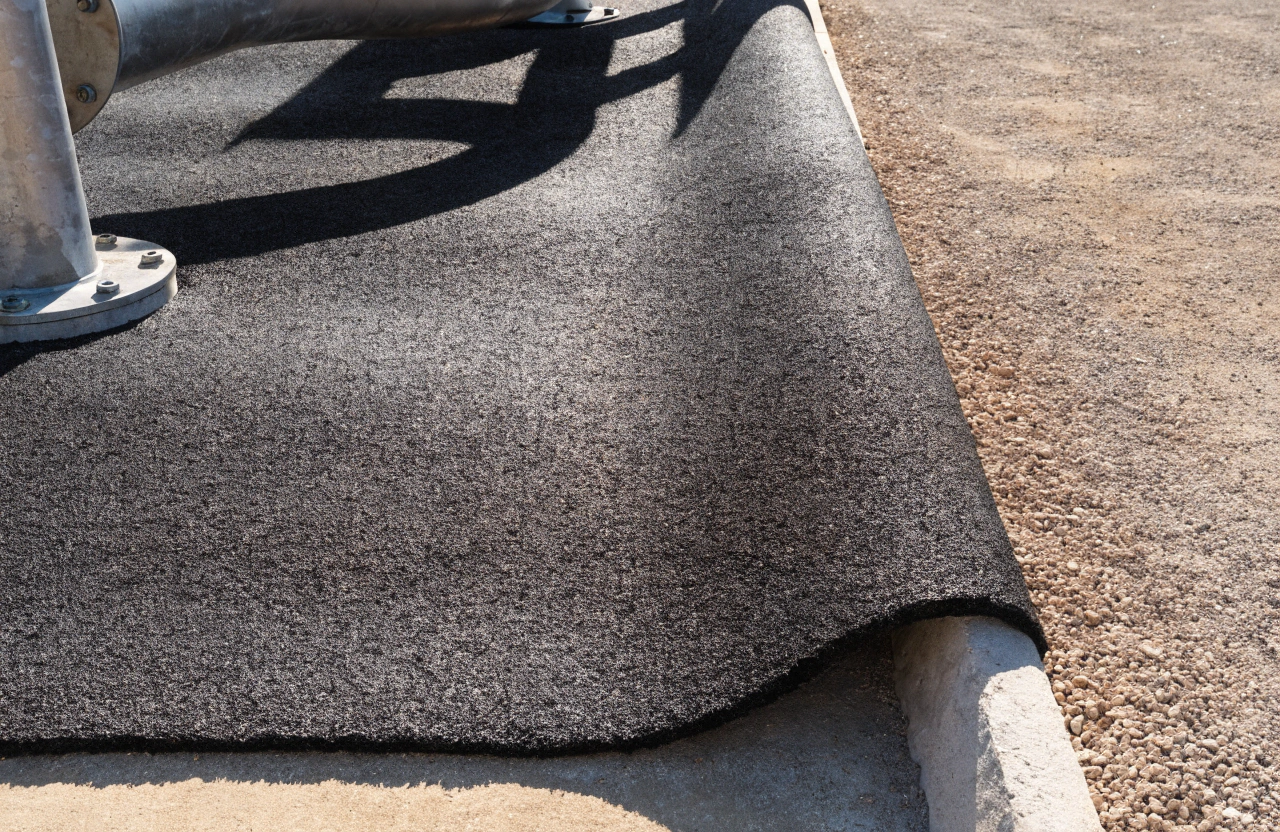
Turf underlay for synthetic grass is a manufactured layer installed between the prepared base and the turf backing. Unlike soil-based underlay used for natural turf, synthetic grass underlay is an engineered product selected for cushioning, drainage performance, and surface stability. Common types include:
- Foam underlay — provides comfort underfoot for residential lawns, play areas, and pet zones
- Rubber underlay — delivers impact attenuation for soft fall compliance and high-traffic applications
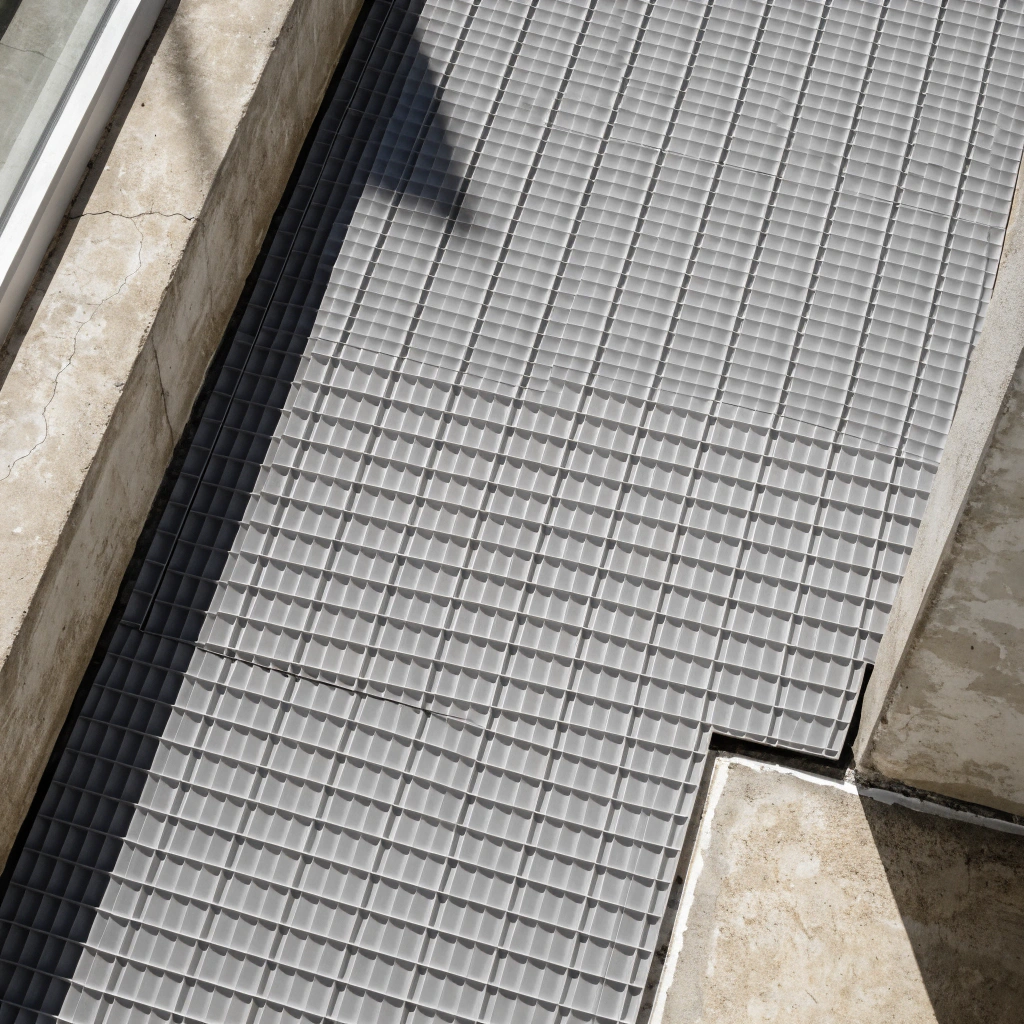
- Drainage matting — creates a water flow pathway for balcony, rooftop, and hard surface installations
- Geotextile weed barrier — prevents weed breakthrough at ground level while maintaining drainage
Specifying the correct underlay type and thickness for the application is as important as the turf product itself.

Why Underlay Makes or Breaks Your Synthetic Grass Installation
Underlay is the most overlooked component in a synthetic grass purchase — and it’s the one decision that quietly determines how your lawn performs for years to come.
Good underlay does four things. It cushions the surface underfoot — the difference between a lawn that feels like grass and one that feels like carpet over concrete. It keeps water moving through the system properly, so you’re not left with pooling after rain. On hard surfaces, it buffers the turf backing from heat the substrate holds — important on a Central Coast summer. And it supports the pile from below over time, so the turf holds its shape instead of going flat in the spots that get the most use.
Get the underlay wrong and none of that works. Get it right, and it protects every dollar you’ve put into the turf above it.
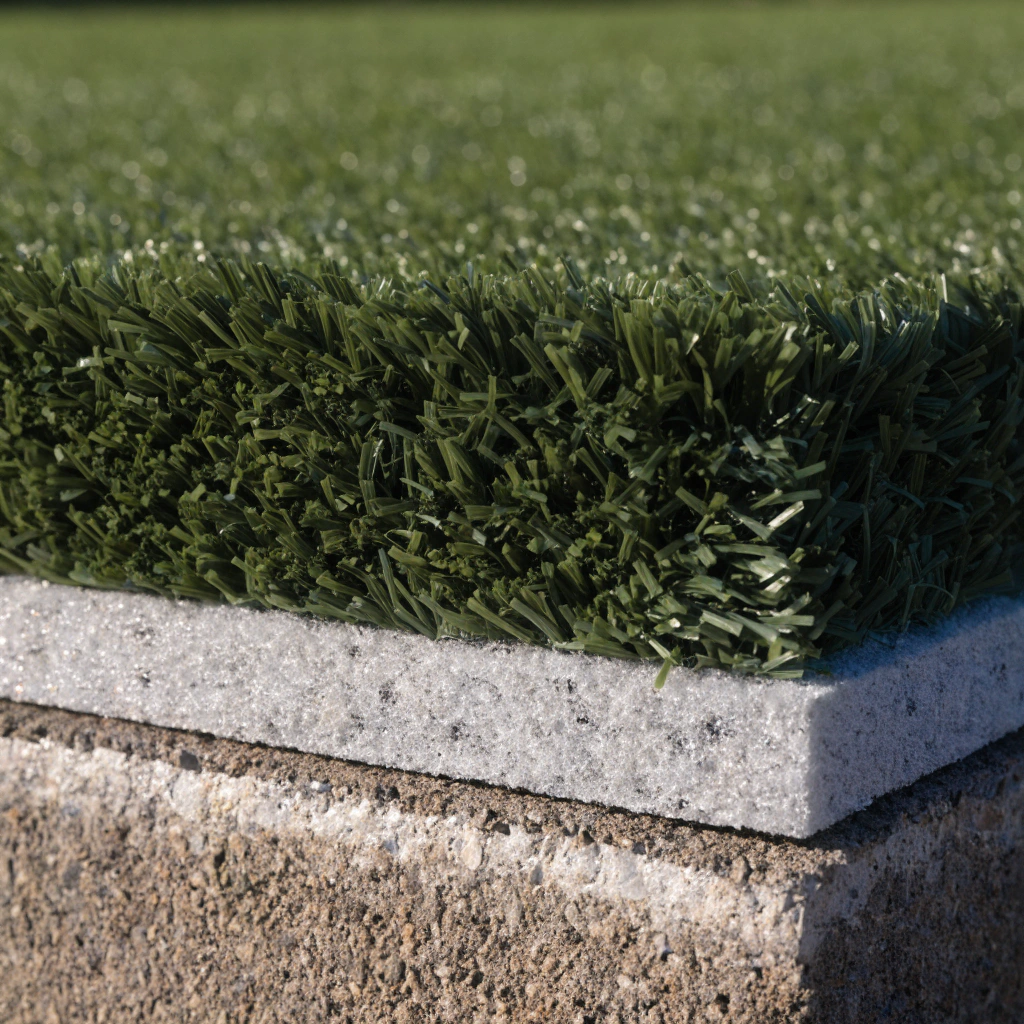
Foam Underlay for Residential Lawns and Play Areas
Thickness Options and What They Affect: Foam underlay typically comes in thicknesses ranging from 5mm through to 20mm. Thicker foam gives a softer, more cushioned feel underfoot — which is why it’s a popular choice for kids’ play areas and pet zones. But thicker isn’t always better. As foam depth increases, drainage capacity can drop. For most residential lawns on the Central Coast, a mid-range thickness hits the right balance between comfort and water flow.
Choosing a Foam Product With Adequate Drainage: The most common specification mistake we see is selecting foam that looks right on paper but acts as a barrier to water. Impermeable foam traps moisture beneath the turf backing — and that causes odour problems, particularly in pet areas. What you want is an open cell foam structure, which lets water pass through freely while still doing its job as a cushioning layer.
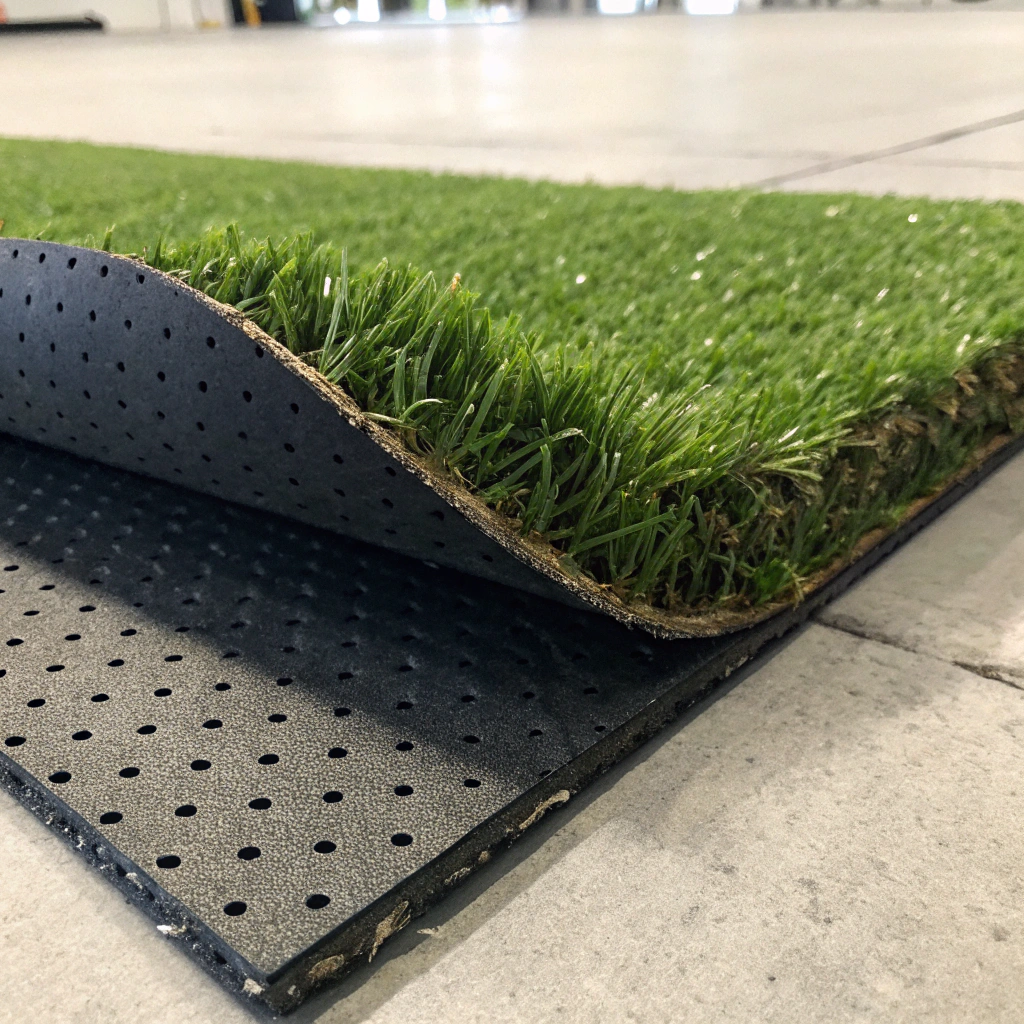
Rubber Underlay for High-Traffic and Impact-Critical Applications
Playground, Sports, and Commercial Applications: Where foam compresses and degrades under sustained load, rubber holds its structure. For playgrounds, sports surfaces, and commercial installations, rubber underlay is the correct call. We supply rubber underlay in a range of densities and thicknesses to suit the load requirements of the application above it — a school playground has very different demands to a residential putting green, and the product needs to reflect that.
Critical Fall Height and Underlay Selection: Rubber underlay thickness and density have a direct relationship with the critical fall height rating of the surface above it. Put simply — the higher the play equipment, the more impact attenuation the underlay needs to provide. Selecting the wrong thickness for the equipment height isn’t just a performance issue, it’s a compliance issue. We help buyers match the correct rubber underpad to their equipment before they purchase, so the system performs the way it needs to from day one.
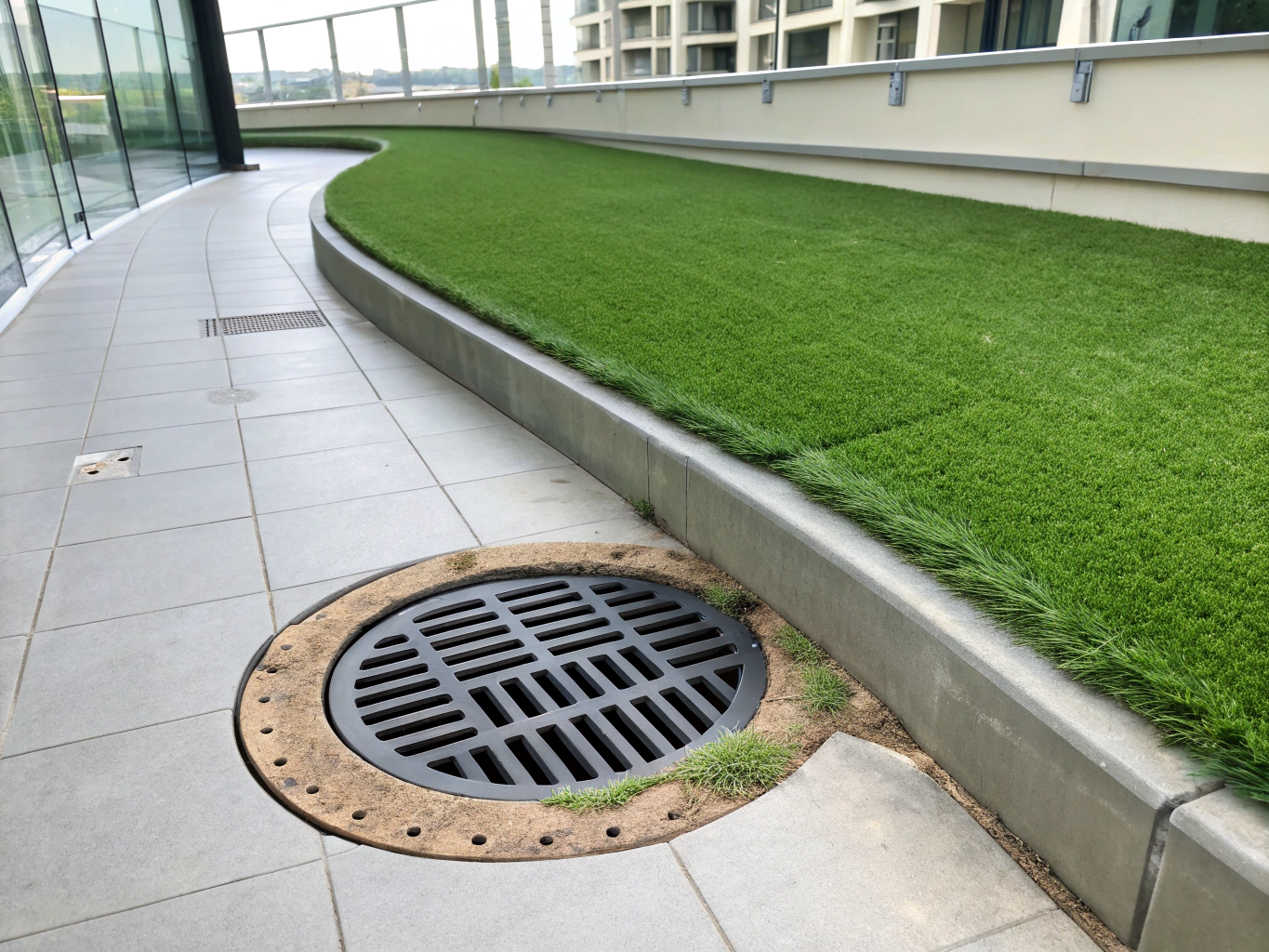
Drainage Matting for Balconies, Rooftops and Hard Surfaces
How Drainage Matting Works on Impermeable Surfaces: Standard foam underlay isn’t suited to balconies or rooftop installations. On an impermeable surface, water has nowhere to go — and foam sitting flat against concrete or tile will trap it there. Drainage matting solves this by creating a water flow pathway between the turf backing and the substrate below. The dimpled or channelled structure of the matting holds the turf backing off the surface, giving water a clear route to the drain points rather than sitting stagnant underneath.
Weight, Drain Points and Installation Considerations: On elevated installations, weight matters. We specify lightweight drainage matting products suited to balcony and rooftop load requirements — adding unnecessary mass to an elevated structure isn’t something we take lightly. Equally important is keeping drain points clear throughout the underlay layer. A drainage matting system that’s correctly installed but blocks the drain outlet performs no better than no matting at all.
Geotextile Weed Barrier for Ground-Level Installations
For any ground-level synthetic grass installation, geotextile weed barrier is the companion purchase that most people forget until weeds start pushing through their new lawn.
Geotextile sits between the compacted base and the underlay, blocking weed growth from below while still letting water pass through freely. It’s not a waterproof membrane — it’s a permeable fabric that stops plant material without compromising the drainage performance of the system above it.
The quality difference between a geotextile specified for synthetic grass and a cheaper garden variety alternative shows up over time. Lower grade products break down, allow root penetration, and create uneven surfaces beneath the turf. The products we supply are rated for long-term performance under synthetic grass systems — meaning they do their job for the life of the installation, not just the first couple of seasons.
Soft Fall Compliance Underlay and AS 4422 Certification
For schools, childcare centres, and public playgrounds, underlay selection isn’t a preference — it’s a compliance requirement.
AS 4422 is the Australian standard that governs playground surfacing. It sets out the relationship between underpad thickness, density, and the critical fall height of installed play equipment. Every piece of equipment has a fall height rating, and the underpad system beneath it needs to be tested and certified to match that rating. Buying an uncertified product and hoping it performs to standard isn’t an option when children’s safety is involved.
We work with school and childcare buyers directly to confirm the correct underpad specification for their equipment before they purchase. That means documented critical fall height ratings, certified products, and a system that meets AS 4422 from the ground up — not one that’s pieced together and tested after the fact. If you’re sourcing soft fall underlay for a Central Coast school or playground, talk to us before you order.
Underlay Supply for Landscapers and Trade Buyers on the Central Coast
Landscapers and installers working across the Central Coast need consistent stock, competitive pricing, and a supplier who understands what they’re building — not just one who fills an order and moves on.
We supply foam, rubber, drainage matting, and geotextile products to trade buyers running ongoing project pipelines across Gosford, Wyong, Terrigal, The Entrance, Umina Beach, Erina, Tuggerah, and Woy Woy. Stock availability is reliable, pricing is structured for trade volume, and we’re not going to leave you short on a product mid-project.
What sets us apart for trade buyers is the specification support we bring to the relationship. Different projects call for different underlay systems — a residential backyard in Terrigal has different requirements to a commercial rooftop installation in Gosford or a school playground in Tuggerah. We help you get the product right for each job, which means fewer callbacks and better outcomes for your clients.
Frequently Asked Questions
Not always — but in most cases, yes. On ground-level installations, underlay adds comfort, supports drainage, and extends the life of the turf. On hard surfaces like concrete or pavers, it’s close to essential. The only exception is some commercial or sports installations where the base itself is engineered to perform without it.
Foam is suited to residential lawns, play areas, and pet zones where comfort is the priority. Rubber is the right call for high-traffic surfaces, playgrounds, and anywhere impact attenuation matters. We help you work out which one suits your application before you purchase.
It depends on the application. For residential lawns, somewhere in the 10mm to 15mm range works well for most installs. For soft fall compliance, thickness is determined by the critical fall height of the equipment above it — there’s no one-size answer. We’ll confirm the correct thickness once we know what you’re working with.
No. Standard foam sits flat against the surface and traps water with nowhere to go. Balconies and rooftop installations need drainage matting — a channelled or dimpled product that creates a water flow pathway between the turf and the substrate below.
Open cell foam has a structure that allows water to pass through it freely. Closed cell foam doesn’t — it acts as a barrier and traps moisture beneath the turf backing, which leads to odour problems over time, especially in pet areas. We only supply open cell foam products for synthetic grass applications.
For ground-level installations, yes. Underlay handles cushioning and drainage. Geotextile weed barrier sits below it and stops weed growth pushing through from the base. They serve different functions and work together as part of the same system.
AS 4422 is the Australian standard for playground surfacing. It requires the underpad beneath play equipment to be tested and certified to match the critical fall height of that equipment. We supply certified products with documented ratings and help schools and childcare centres confirm the correct specification before they order.
Tell us your surface type, the area you’re covering, and what’s going on top. We’ll confirm the correct product, thickness, and quantity before you commit to a purchase. That’s what we’re here for.
Not Sure Which Underlay Suits Your Project?
Getting the specification right before you purchase saves time, money, and the headache of pulling up a finished installation. Tell us about your application — surface type, area, and what’s going on top — and we’ll confirm the correct product and quantity before you order.
It’s a two-step process: tell us what you’re working with, and we’ll do the rest.
Get a free supply quote and specification advice today.
For trade buyers and landscapers:
If you’re running ongoing installations across the Central Coast and want to talk trade pricing and supply, get in touch with the team at Synthetic Grass Central Coast Experts directly. We supply consistent stock across all product types and can set up a trade account to keep your projects moving.
📞 02 4019 2019
